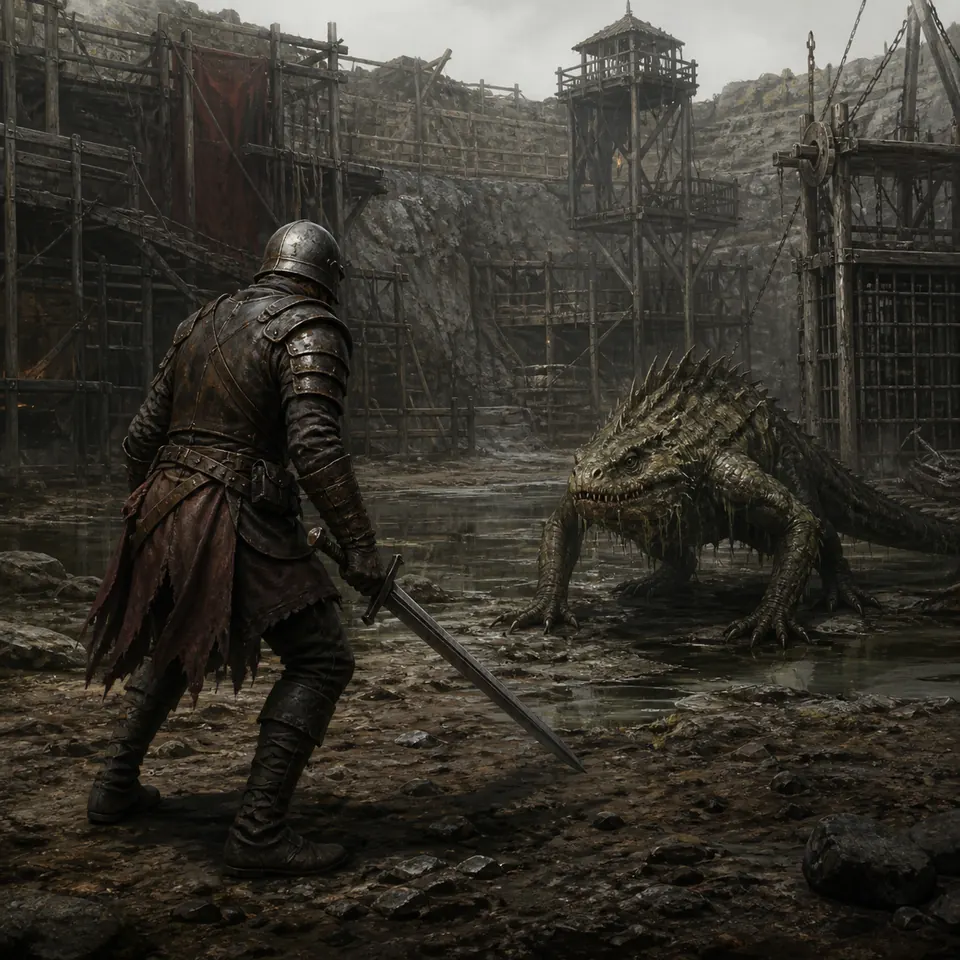
Combat and survival guide

Gothic 1 Remake Combat Guide: Parry, Combos, Ranged Combat & Early Tips

The safest way to win fights is to control distance, learn the attack rhythm, train before forcing a duel, and leave when the Colony is telling you to come back later.

  • Main focusSpacing and rhythm
  • Early priorityTraining before pride
  • ReviewedAugust 6, 2026

How does Gothic 1 Remake combat work?

Gothic 1 Remake combat is easier to understand when you treat every encounter as a short timing problem rather than a damage race. Read the enemy's approach, keep enough room to react, commit to a small attack window, then reset your position. The strongest early habit is not landing the longest combo; it is recognizing when the next swing will leave you trapped.

The practical loop is simple: prepare your weapon and armor, choose a piece of ground with room to move, open with a controlled attack, defend or step away when the enemy answers, and only extend the exchange when you can still see the opponent. Trainers, better gear, food and a safer route often improve an early fight more than another reckless attempt.

This page focuses on combat mechanics and decisions. For mission order and the first hours, use the Gothic 1 Remake beginner walkthrough; for exact travel landmarks, use the map guide. Keeping those intents separate makes this combat guide useful without turning it into a second quest list.
The core loop

Read the fight before you extend it

A good Gothic Remake combat system guide should explain what to do between attacks, not only list weapons.

Create a reaction lane

Pull one enemy into open ground when possible. Avoid starting a duel beside a wall, a cliff, a doorway or a second hostile target. Space is part of your defense because it gives you time to see the next animation and step away.

Use short commitments

Begin with one or two deliberate attacks and watch the response. If the opponent is still in range and staggered, continue; if the camera, terrain or enemy movement hides the answer, stop the combo and reset.

Defend on information, not panic

A parry or guarded response is most useful when you can identify the incoming strike. Holding a defensive input without a plan can still leave you cornered, so pair defense with a retreat direction and a clear next action.

Finish only after the risk falls

Low health on the enemy is not permission to trade hits. Keep the same rhythm until the final blow is safe, then loot after the area is quiet. Greedy finishes are a common reason an easy fight becomes a reload.

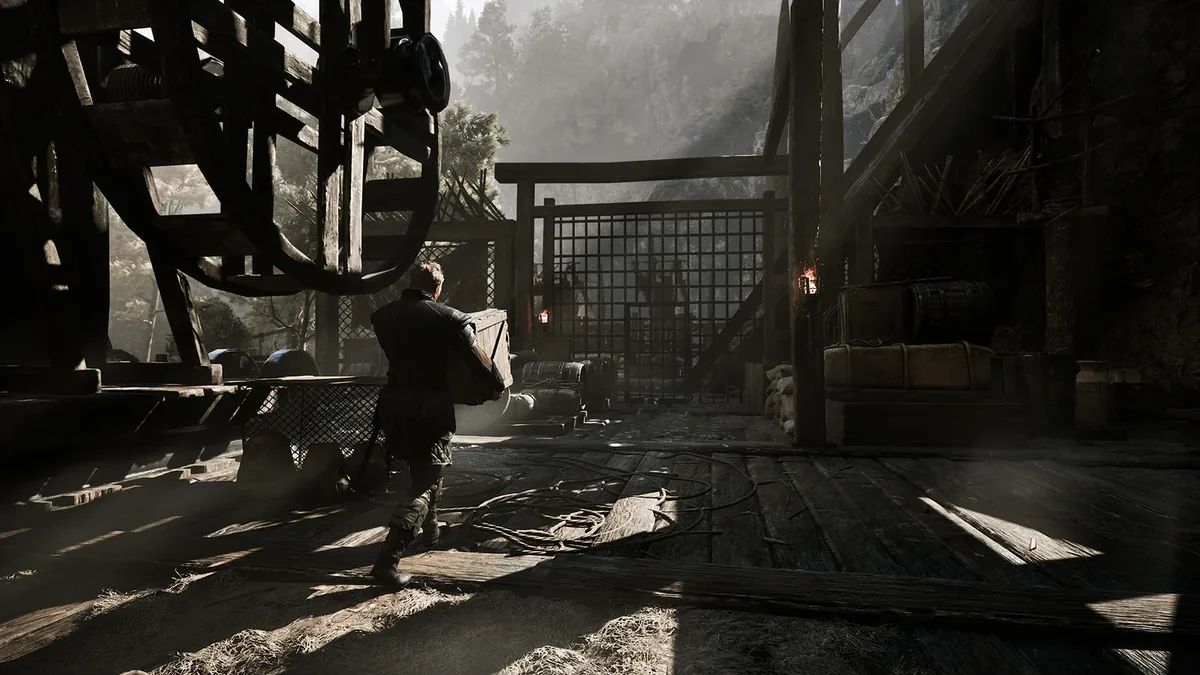
Official Gothic 1 Remake promotional screenshot showing a character moving through a confined Mining Colony work area
Official Gothic 1 Remake media, technically cropped and compressed for this page. The scene illustrates why terrain and escape space matter; it is not labeled as a combat tutorial screenshot.

Parry, combos and attack timing

What to do in the next three seconds

Use this table as a decision aid rather than a promise of fixed frame data. Exact animation behavior can change with patches, equipment and enemy type.
SituationRecommended actionWhy it works
Enemy is walking into rangeHold position, let the approach finish, then start a short attack.You preserve reaction time instead of chasing the target.
First hit connects cleanlyAdd one follow-up only if the enemy remains visible and off balance.A small combo keeps your exit available.
Enemy begins a readable swingUse the practiced parry or step to the safe side, then reset.Defense creates a new turn; panic trading does not.
Two enemies overlapBreak line of sight, separate one target, or retreat to a doorway.Gothic 1 Remake combos are much harder to read when attacks arrive together.
You lose the camera or terrainStop attacking and move to open ground.Information is more valuable than a final speculative hit.
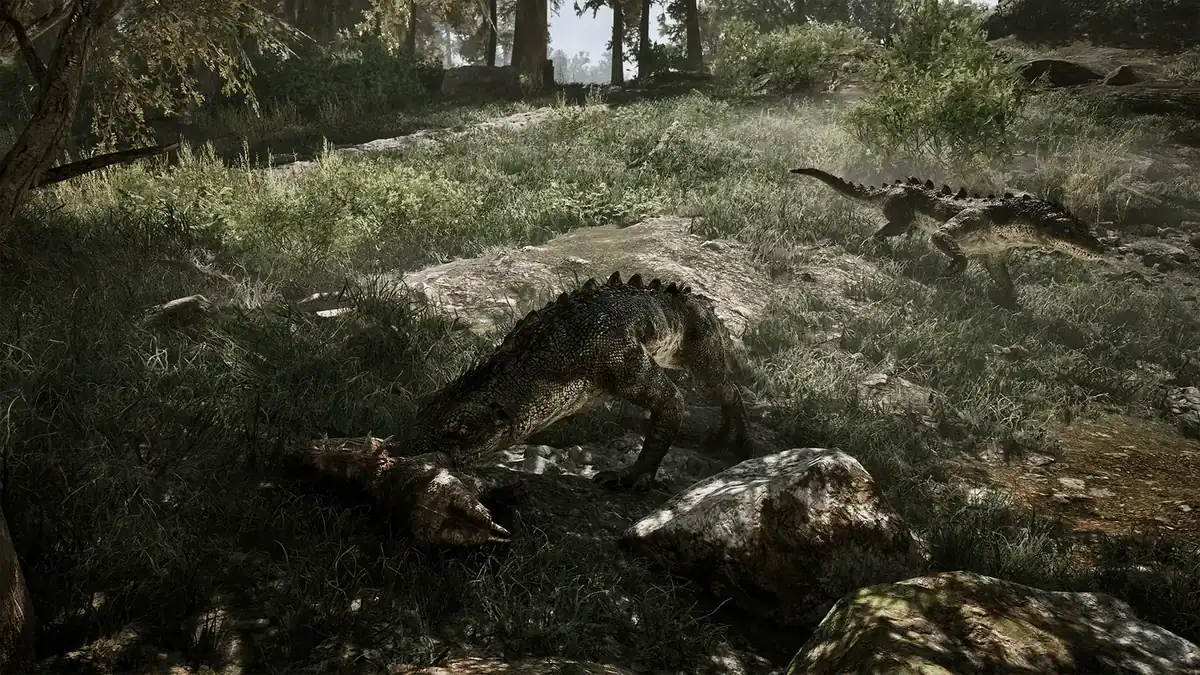
Official Gothic 1 Remake promotional screenshot showing swamp lizards in a wooded wilderness area
Official Gothic 1 Remake media, technically cropped and compressed for the ranged and retreat section. It shows an environmental threat, not a fabricated UI or stat screen.

Early-game training

One-handed, ranged and hunting priorities

Training questions are separate from the general combat loop: decide what you can reliably use before you spend resources on a perfect build.

Choose one reliable weapon lane

For the opening hours, a weapon you can train and replace consistently is usually better than carrying several half-supported options. A one-handed route gives you room to learn timing; switch only when the trainer, weapon requirement and your available resources line up.

Treat ranged combat as an opener

When you ask where to learn hunting and ranged combat in Gothic 1 Remake, also ask where the shot will leave you. Use distance to pull one target, start an encounter or finish a wounded enemy, then keep a melee escape plan instead of assuming the bow solves every approach.

Spend training points with a route in mind

Do not buy every skill because the trainer offers it. Compare the next weapon threshold, the armor you can actually obtain and the enemies on your route. The best early upgrade is the one that changes which fights are reasonable.

Upgrade protection before chasing damage

Armor, healing supplies and a weapon that meets your current plan can matter more than a small damage increase. If a fight remains dangerous after the upgrade, change the route or return later rather than forcing it.

Weapons and damage choices

Blunt vs blade: compare the whole loadout

Searches about blunt or blade damage are useful when they lead to a gear decision, not when they encourage unsupported fixed-number claims.
ChoiceWhen it helpsCheck before committingCommon mistake
Blunt damageA practical option when the available weapon, trainer and enemy matchup support it.Requirement, reach, stamina feel and the armor or protection you are facing.Assuming a damage label alone guarantees the best result.
Blade damageA practical option when you have a reliable trainer path and a weapon with comfortable timing.Weapon threshold, attack range and whether the next upgrade is actually obtainable.Spending all resources on a future weapon while using a weak current one.
Ranged openerPull one target, start from a safe angle or finish an enemy that is already under pressure.A clear retreat path, ammunition or supplies, and a melee backup.Standing still while a second enemy closes the gap.
Magic or special toolSave for encounters where the effect changes the space or removes a specific obstacle.Resource cost, quest context and whether the effect is stable in the current patch.Treating an unverified forum trick as a permanent combat rule.

The right comparison is not simply blunt versus blade. Ask whether the weapon is available now, whether a trainer can improve it, whether the reach fits your preferred distance and whether the route gives you a safe chance to practice. The same answer can change when you join a different camp or move into a different chapter.

If a guide, mod or patch note changes a damage interaction, record the source and date instead of presenting the claim as timeless. The existing patch-notes page is the correct place for version-specific changes; this page should stay focused on durable combat decisions.

Survival decision

When to fight, and when to leave

The Colony is designed to make retreat a useful skill. A failed fight often means the route, training or terrain is wrong today—not that the character is permanently broken.

Before you start a fight, check four things: can you see the whole space, can you identify the escape direction, does your current weapon meet the plan, and do you have a reason to spend healing or ammunition here? If two answers are no, move the encounter to a later part of the route.

This is also why combat advice should link to the walkthrough and map rather than promising a universal best build. A safer path, a trainer, a better camp relationship or a different approach can solve the same enemy without turning the guide into an exploit list.

Leave when the terrain hides the answer

Doorways, slopes, water and clutter can turn readable attacks into camera noise. Move the enemy into a space where you can see feet, weapon and exit.

Leave when a second target joins

Separate enemies before returning to the exchange. If you cannot separate them, choose the route and survive rather than protect an arbitrary damage attempt.

Leave when the resource trade is poor

Do not spend your last healing item and all ammunition for a low-value fight that blocks a better quest route. Mark the location and return with a reason.

Leave before the save becomes a trap

Keep a clean save before a risky camp or wilderness push. A short retreat is faster than repeating a long route after a greedy finish.

Common early mistakes

Five habits that make combat feel unfair

Most early losses are decision errors that can be corrected without grinding every nearby creature.

Chasing every target

Running after an enemy removes the spacing that made the first exchange safe. Let the target come back into your lane.

Extending every combo

A combo is a tool, not a button-holding test. Stop when the camera, terrain or second target removes your information.

Ignoring trainers

A new weapon without the training to use it well can feel worse than a modest weapon you understand.

Fighting beside a quest NPC

Move away from neutral characters and camp gates before starting trouble. The encounter is not worth damaging a route or reputation.

Treating a mod or patch rumor as a rule

Separate official patch information, observed guide advice and community experiments. Link mod questions to the safe mods guide instead of mixing them into core combat facts.

Combat FAQ

Gothic 1 Remake combat questions

Short answers for the long-tail questions that sit behind the broader combat search.

It has a modern presentation and a more readable action loop, but the guide should still be approached as a timing-and-positioning RPG system. Do not expect every encounter to behave like a fast action game.

Choose a trainer and a weapon you can use now, practice short exchanges against isolated targets, and keep enough space to retreat. Do not spend all early resources on a future threshold while your current fights remain unsafe.

Use the relevant trainer and quest route available in your current camp, then test the weapon in open ground. The exact route can depend on progression, so verify the trainer through the quest and map pages rather than assuming a universal early location.

Only when the enemy remains visible, isolated and within a safe follow-up window. If the camera or terrain hides the answer, reset the fight; a greedy final hit is a common way to lose a winning encounter.

Use the response you can read consistently and pair it with a retreat direction. Parry can create a new turn when the swing is readable; stepping away is safer when the terrain, camera or enemy group makes the timing uncertain.

No. First check training, equipment, route choice and enemy isolation. If you still want a mod, use the separate Gothic Remake mods guide, back up saves and verify patch compatibility before changing files.

Source boundary

Official sources used for context

These links verify the game entity and first-party update/store context. They do not turn experience-based combat advice into official frame data.

Gothic 1 Remake official site

Publisher-backed game information and first-party media context.

Open official site