Map and location guide

Gothic 1 Remake Map Guide: Mining Colony Locations, Camps and Safe Routes

Use this spoiler-light Gothic 1 Remake map guide before you rely on a full interactive map. It explains how to read the Mining Colony, which landmarks matter first, how the three camps shape travel, and when a location guide should replace blind wandering.

  • Primary keywordGothic 1 Remake map
  • Spoiler levelEarly-game safe
  • Core areasOld, New, Sect camps
  • Best useBefore deep quest guides

Quick answer: learn routes before chasing every marker

The most useful Gothic 1 Remake map is not only a flat picture of the Mining Colony. For a new player, the real map is a memory of safe roads, camp gates, cliffs, caves, bridges, patrols, traders, trainers, and retreat lines. Start by learning the route from your arrival area to the Old Camp, then branch toward the New Camp and Sect Camp only when your gear, health, and confidence make the trip reasonable.

A full interactive map is helpful when you are hunting a named item, checking a cave entrance, or solving a specific quest blocker. It is less helpful if it makes you sprint across dangerous ground before you understand why Gothic is dangerous. This page keeps the map intent separate from the beginner walkthrough: the walkthrough tells you what to do first, while this guide teaches how to read locations and travel routes.

Searches for Gothic 1 Remake map, Gothic Remake locations, Old Camp map, New Camp route, Sect Camp location, and Mining Colony guide all point to the same early need: players want orientation without losing the discovery that makes Gothic work. Use this guide to build a spoiler-light mental map, then open a full quest or interactive map only when the exact step matters.

The released game deliberately has no minimap. You acquire physical maps in the world: Graham in the Old Camp sells the Old Camp and Colony maps, while Dexter can offer the Colony map more cheaply. Community interactive maps are useful for exact NPC, chest, cave, teacher, and quest locations, but they reveal more than the in-game map and should be opened only when you want that level of detail.

Route overview

Mining Colony map route table

Use this table as a travel planner, not as a promise that every path is safe at every level.
Area Why it matters Safer early habit Do not rush
Arrival area and first roads This is where you learn how dialogue, guards, wildlife, and retreat work before the colony opens up. Talk to nearby NPCs, mark the way back, and notice which roads feel patrolled or watched. Do not chase every side path, cave, or creature before you have a return route.
Old Camp route The Old Camp is the easiest first landmark because it concentrates guards, traders, social hierarchy, and early faction information. Use it as a reference point for training, selling, buying supplies, and comparing later camp claims. Do not mistake walls and guards for total safety; reputation and access still matter.
New Camp route The New Camp helps you understand independence, resistance, and routes outside Old Camp control. Travel there after you have basic supplies and a route back to a known camp. Do not wander toward it underprepared just because a guide says you should compare factions.
Sect Camp route The Sect Camp changes the map rhythm with swamp atmosphere, different social rules, and a stranger faction identity. Use visible paths, watch hostile edges, and talk before assuming how the camp works. Do not treat the swamp as a cosmetic zone; travel and enemy pressure can punish careless movement.
Caves, mines, and wilderness edges These places often hide loot, danger, shortcuts, quest targets, and enemies above your current route strength. Enter only when you can retreat, heal, and identify why you are going there. Do not let a map marker convince you that the direct route is the best route.

Landmark logic

How to read the Gothic 1 Remake map without spoiling everything

A good map habit helps you survive while keeping the colony mysterious.
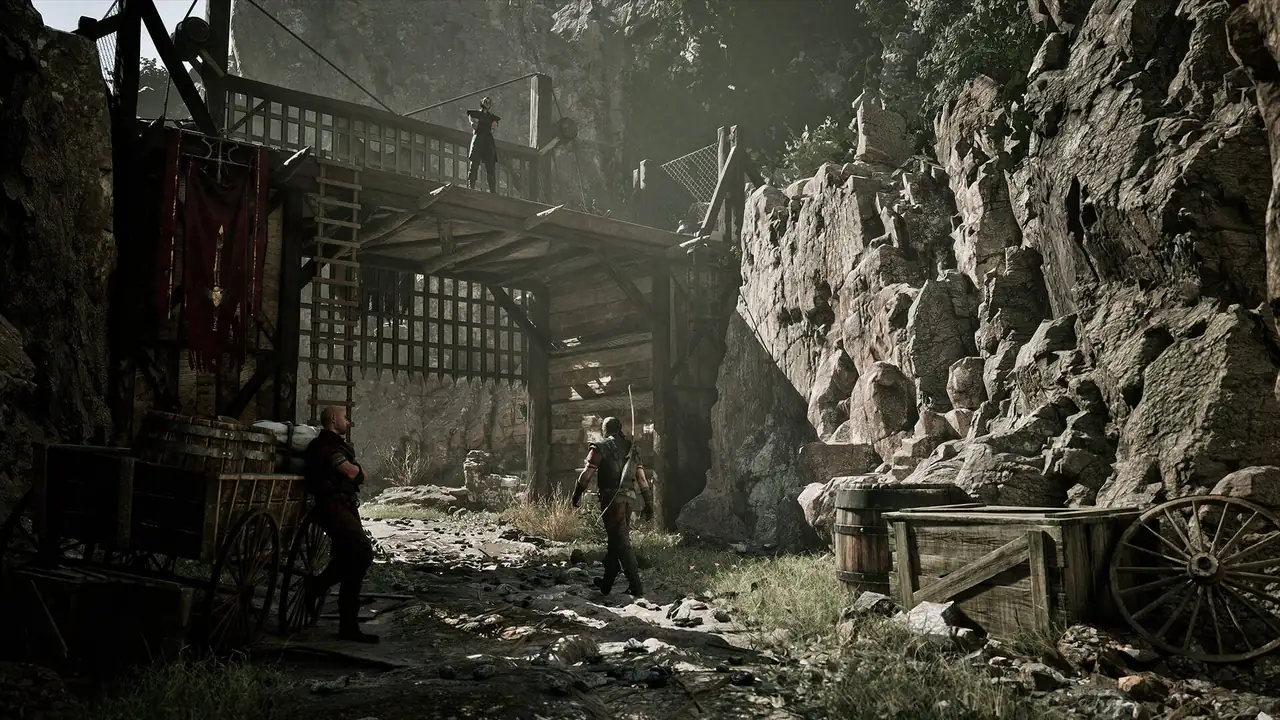
Official Gothic 1 Remake key art used beside Mining Colony landmark guidance
Official Gothic 1 Remake key art used as editorial context for map orientation.

Anchor every route to a safe return point

Before you follow a new road, ask where you can run if the fight is wrong. Gates, camp entrances, bridges, cliffs, and trader areas become more useful than a distant objective marker when survival matters.

Separate location discovery from quest solving

Knowing that a place exists is not the same as being ready to solve every quest there. Visit locations for orientation first, then use deeper walkthroughs only when a named objective blocks you.

Use camp routes as the map skeleton

The Old Camp, New Camp, and Sect Camp are not only faction choices. They are travel hubs, social filters, trainer networks, and the clearest way to organize the Mining Colony in your head.

Treat caves and side paths as risk checks

If a path pulls you away from known NPCs and safe roads, treat it as a question: do you have enough healing, equipment, and knowledge to return if the area is too strong?

A practical mapping method for the first sessions

Do not try to memorize the whole Gothic 1 Remake map in one pass. Build it in layers. The first layer is safety: arrival point, camp gate, trader, trainer, bed or rest spot, and a route back. The second layer is opportunity: low-risk quests, NPC introductions, faction recruiters, and resource loops. The third layer is danger: enemies that are too strong, caves that feel wrong, and roads you should mark for later.

This layered method keeps you from turning the game into a checklist. You still explore, but every new landmark tells you something practical: where to retreat, where to sell, where to train, where a faction starts, and where a quest may become too risky for your current gear.

  • Name routes by function: camp route, trader route, trainer route, wilderness route, and danger route.
  • Use NPC conversations to confirm whether a road is social, commercial, military, or hostile.
  • Write down locations that unlock trainers, armor, weapon upgrades, or reliable supplies.
  • Delay exact item hunting until you know the nearby enemies and retreat options.
  • When a quest sends you far away, check whether it is a route lesson or a real objective blocker.
  • After each faction visit, update your mental map around access, reputation, and travel safety.
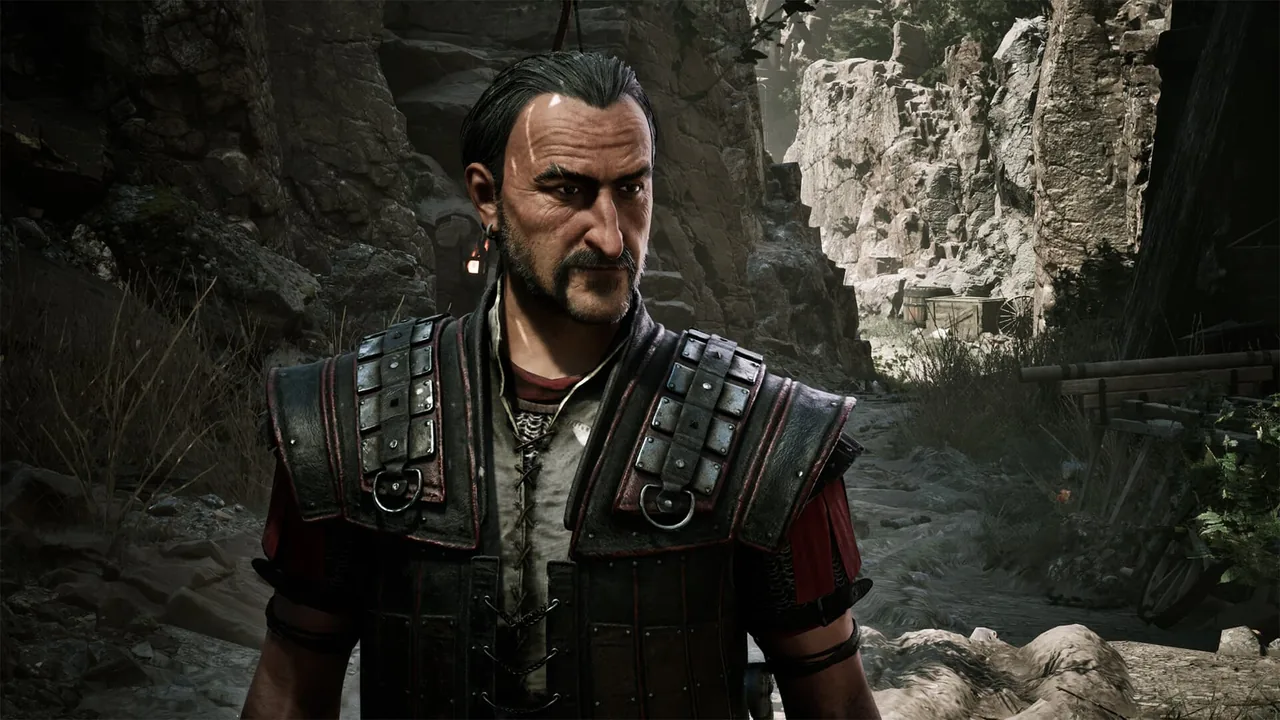
Official Gothic 1 Remake character screenshot used for route and location planning
Official Gothic 1 Remake media used as a visual cue for route planning, not as an exact location screenshot.

Map checklist before leaving a safe area

  • Can you return to a known camp without fighting everything on the road?
  • Do you know where to buy or restore supplies after the trip?
  • Is the objective a low-risk errand, a faction scout task, or a dangerous cave step?
  • Have you talked to nearby NPCs before assuming the direct road is correct?
  • Will opening a full interactive map solve a real blocker, or only spoil discovery?
  • If the route fails, do you know whether the problem is gear, level, knowledge, or timing?

Location priorities

Which Gothic Remake locations should beginners learn first?

Learn locations by practical value: safety, training, trading, faction context, and danger control.

Camp entrances

Camp gates and approach roads tell you where authority begins, which NPCs control access, and how far you are from help.

Traders and trainers

A location becomes important when it changes what you can buy, sell, learn, wear, or survive. Mark those places before memorizing optional loot.

Quest handoff points

Many early objectives teach who knows whom. Track the NPC chain, not only the final destination.

Retreat landmarks

Bridges, slopes, gates, guard posts, and open roads are valuable because they explain how to escape, not only how to arrive.

Danger edges

Caves, deep wilderness, and enemy-heavy paths should be recorded as later routes until the game gives you a reason and the tools to push through.

Faction crossroads

Routes between camps matter because they connect faction politics with travel risk. A faction guide tells you why to join; a map guide tells you how the route feels.

FAQ

Gothic 1 Remake map questions

Yes, guide sites and community resources provide map and location references. For a first playthrough, learn the main camp routes and safe landmarks before using a full interactive map for exact item hunting.

Start with the route from the arrival area to the Old Camp because it teaches guarded spaces, traders, trainers, social hierarchy, and the basic rhythm of safe return paths.

When your current game state allows it, yes. Visiting the Old Camp, New Camp, and Sect Camp gives you better route knowledge and makes the faction choice less blind.

Use an interactive map when you have a named blocker: a missing NPC, exact cave entrance, item position, or quest target. For general exploration, a spoiler-light route guide preserves discovery better.

No. This map guide explains orientation and travel logic. Use the beginner walkthrough for early quest order and a full walkthrough only for exact blockers.

In the Old Camp, Graham the mapmaker sells an Old Camp map and a wider Colony map. Dexter in the market can sell the Colony map at a lower price. Later maps and location-specific plans depend on progression and the merchants you meet.